Showing posts with label Fitness. Show all posts

Wednesday, 28 March 2018

Following are the Top 5 Pre Workout Supplements for Runners

1) Perfect Keto Perform Keto Sports Drink
The Perfect Keto Perform Keto Sports Drink is one of the leading options for runners who need an alternative to glucose. Made with 7.7 grams of BHB salts, it represents a great solution and this is why it manages to deliver an impressive performance when it comes to energy sources.
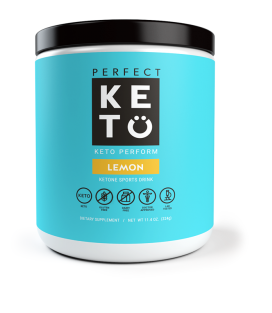
The great part is that it still comes with the amino acids you need for energy. This includes L-Citrulline and Beta Alanine. Most importantly, it also represents a product with added healthy fats from MCT sources.
Pros

  • Recommended in the absence of carbs
  • Made with multiple energy sources
  • Contains MCT oil
  • Good amino acid profile

Cons

  • Works best with weight loss


**BE SURE TO USE THE CLE LEADER COUPON CODE (CL15) to save an additional 15%**

The best pre-workout for runners combines different types of energy sources to offer one of the best products when it comes to results. It has a complex formulation based on amino acids, fats and BHB salts which makes it unique in the pre-workout market. Furthermore, it is also important to know that you can see great results when it comes to maximizing your energy sources.

2)  ONNIT Total Strength + Performance
The ONNIT Total Strength + Performance is among the leading options when it comes to a good energy source. Runners can maximize its potential when it comes to the amino acid profile in combination with Magnesium, Calcium and Sodium.
It also represents a top solution when it comes to better results in terms of focus as well. It also works well to support recovery and runners will appreciate the Red Clover and Luteolin extracts.
Pros

  • Made with best-quality ingredients
  • Formulation for energy
  • Improves recovery

Cons

  • Not the most affordable pre-workout

**BE SURE TO USE THE CLE LEADER COUPON CODE (GETONNIT) to save an additional 10%**

The pre run supplement comes with a leading solution which is great for all types of runners. It can deliver great overall results which are recommended when you want to ensure that your recovery will also be on point. This is why it is important to know that you can find great results with ingredients such as Leucine, Valine, Beta Alanine and L-Glutamine. They offer more energy but they also work great when it comes to better overall results in terms of energy and muscle development.

3) Optimum Nutrition Amino Energy
As one of the most popular pre-workouts, the Optimum Nutrition Amino Energy is among the best solutions when it comes to muscle support. Runners can benefit from its great amino acid profile and it thus represents one of the best options when it comes to better long-term benefits as well.
It comes with Taurine and Arginine which means that if will boost your energy while also ensuring better circulatory performance. With caffeine from green tea and green coffee, it is a good solution for most runners who need extra energy.

Pros

  • Come with Taurine
  • Includes L-Arginine
  • Great for caffeine sources
  • Large flavor selection

Cons

  • Energy blend is not the most potent

The pre workout supplement for runners proves to be one of the great options when it comes to better energy. It combines various sources of energy from green coffee and green tea and with a base of amino acids as its name suggests, it comes to meet your needs when it comes to energy and muscle support. If you are looking to use it for a long period of time, you can also take advantage of one of the largest selections of flavors on the market. For this reason, it represents a complex product which has reached its maturity.

4) Rari Nutrition Infinity
The Rari Nutrition Infinity comes with a short list of ingredients which recommends it among the minimalistic products. It is also important to know that you can see great overall results based on the high concentration of caffeine, Tyrosine and Citrulline. With added B vitamins complex and niacin,
 it will also support improved overall focus which is great when it comes to intense training sessions.
Pros

  • Short list of ingredients
  • Proven ingredients
  • Based on caffeine
  • Added Folic Acid

Cons

  • Too strong for some runners

The pre-workout is among the leading options when it comes to good energy levels. It comes with a combination of some of the most important ingredients on the market. With extra caffeine, it can prove to be one of the solutions which are great when it comes to better overall energy, even if it may come with an energy crash towards the end of its effect. With some of the most popular amino acids, it also proves to be a good solution when it comes to long-term safety and usability.

5) Legion Athletics Pulse Pre-Workout
The Legion Athletics Pulse Pre-Workout comes with 4 grams of carbohydrates and an impressive 8 grams of L-Citrulline. This makes it one of the strongest formulations for runners and in many cases, it might even prove to be a highly concentrated product. With 4.8 grams of Beta Alanine, it represents a strong product which is great when you try to surpass your own fitness goals.
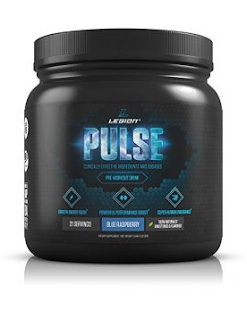
With a high concentration of caffeine as well, it can come with a longer effect when compared to many alternatives.
Pros
  • 8 grams of Citrulline
  • 4.8 grams of Beta Alanine
  • 4 grams of carbohydrates

Cons

  • Too strong for some runners

If you are looking for the ultimate experience, then the pre-workout proves to be a top formulation. It comes to meet your needs when it comes to better overall results with energy sources and it proves to combine the leading ingredients in its segment but in a very high concentration. With added carbohydrates, it can represent a solution for runners looking for the ultimate experience.
Runners have special needs when it comes to pre workout supplements. They are among the very few who need carbohydrates to fuel their high-intensity long-term training. This is why it might be important to know that you will get the ability to work with a solution which allows you great overall results both in terms of energy and in terms of fueling your body with the basic ingredients to keep it going at an optimum level. But most importantly, the Best Pre Workout For Runners needs to come with the energy boost you need to really improve your running results.

What Runners Need in a Pre-Workout Supplement?
Runners have truly special nutritional needs when it comes to daily routines or to official runs like marathons. Since this type of activity demands a larger number of calories you’ll get to see some impressive products with added carbohydrates. These carbs can come from various sources and you can see them in the forms, but you can also see solutions with added fats and added minerals as well. Since you can find different solutions to work with, it is also important to know that you can find many great results when it comes to better hydration and muscle support in form of minerals,

Carbohydrates and Fats in Pre Workouts for Runners
Runners can now choose supplements which are made with carbohydrates or fats. These types of products are great when it comes to added energy sources and they are also easily absorbed by the body. There are a few healthy fats which can also act as energy sources in the right food combinations and this makes them even more appealing to runners. Since there are many great choices to work with, it is also important to know that you can find great results when it comes to better pre workout powder supplements which can last longer and which are most suited to the needs of the runners.

Minerals
There are many pre-workouts which come with minerals and there is a good reason behind this decision. They support muscle function and for runners, they offer the much-needed support for longer training sessions or even for more intense running sessions.
The good news is that they can act to balance the sodium you lose through sweat. At a professional level, you will even see athletes consuming these pre-workouts together with fruits such as bananas to increase potassium intake. It is always worth considering the supplements which allow you to stay safe while training and minerals are among the few additions for this purpose.

Vitamins
In the taxing conditions in which a runner trains, vitamins play an important role. Even if they are not as fast-acting as the other ingredients, they will still build-up in the body and they offer the best solution when it comes to a boosted immunity which can suffer after intense and constant physical activity. This is why it is worth considering the options which at least come with the vitamins for brain function as you will need good focus ability for the duration of your training.

Amino Acids
Amino acids are the foundation to a pre-workout for runners. They are responsible for the added energy as is the case with Citrulline but they can also be responsible with muscle preservation properties as is the case with L-Glutamine. In the end, the decision will be up to you and you will have to find the right formulation in terms of energy output for you.
There are other sources of energy as well. They can come from Taurine or they can even come from Beta Alanine. But their quantities will also largely dictate their overall results. This is why it is important to know that you can find great solutions when it comes to better energy even within the amino acids themselves.
Some amino acids might not be very recommended for runners. Such is the case of L-Carnitine. Since its primary role is to boost fat loss, it is not a solution for runners as they already experience a higher metabolism which burns calories quicker. Even more, running involves the cardiovascular system more than other activities and this is why you might not want to see it as a solution for better muscle retention which is still essential for runners.

Caffeine
Caffeine can also be present in pre-workout for runners, but it will be up to you to decide if you want to use it before your running session. This is why it can be important to know that you can work with solutions which allow you a good overall result in terms of energy even without caffeine. But in some cases, it can definitely come as a major plus.

BHB Ketones
One of the ingredients which are used as an energy source in the absence of glucose and carbohydrates comes with BHB ketones. They are often use on the Ketogenic diet but the runners who are not looking to consume carbohydrates will have to gather energy from other places and BHB ketones can be a good solution for this reason. This is why it is important to know that you can see great results when it comes to energy levels even when you are not having the same glucose levels you might be used to and if you are preparing for a race, it might even be the case that you are trying to reach a certain weight. If you eliminate carbohydrate sources, you can thus fully benefit when it comes to better runs with more energy.

Top 5 Pre Workout Supplements for Runners

  1.  Perfect Keto Perform - TOP PICK
  2. ONNIT Total Strength + Performance
  3.  Optimum Nutrition Amino Energy
  4. RARI Nutrition Infinity
  5. Legion Athletics Pulse

Tuesday, 27 March 2018

You want to drop a few pounds and tighten up trouble areas, but you're not sure where to begin. How do you start your weight loss journey?

It's simple: Exercise. 
That's not to say that getting fit is easy. Exercise is work. You have to make the effort to move more. But you can definitely lose inches and create a more active lifestyle with this two-week workout plan.

Laying the Groundwork
Let's be honest, lots of people plan to start an exercise program. From the group that actually does start, only a portion of those individuals stick with their plan long enough to actually alter their lifestyle.
Why? There are two reasons. First, people never prepare themselves for a new exercise routine. What is the goal? How long will it take? People just show up at the gym without a plan. They go through the motions and a few weeks later give up because they don't see results. No plan, no goals, no progress, no results.

Second, people overestimate their abilities. Training twice a day sounds better than once. Training seven days each week is better than five. Right away people want to lift heavier weights, go on long runs and bring more intensity to their workouts. This might sound great, but it's completely unrealistic and unsustainable. Going from relaxing to doing intense workouts is a recipe for disaster.
The trick to creating an effective routine is to be honest about your current fitness level. Ask yourself what are your goals, how long will it take to get there and how much time can you commit to exercise. With those thoughts in mind, give this two-week exercise plan a try. Make these workouts work for you, on your schedule and based on your fitness level

Two-Week Workout Plan

     1.Week One

Day 1 
Complete five rounds.
  • Push-ups (10 reps)
  • Bodyweight squats (20 reps)
  • Forward lunges (5 reps each leg)
  • Plank hold (30 seconds)
Rest for 30 seconds and start again.

Day 2
Warm Up: 8 to 10 minutes of an easy jog and dynamic movements: high-knees, butt-kicks, bounding and reverse run.
Run at least 30 minutes. Use a walk/jog method if needed. Jog until you need a break, then walk and repeat for 30 minutes.
Try to increase your mileage over time. Don't push too far, too fast.
Cool Down: Do an easy jog for 10 minutes and then stretch.

Day 3
Complete five rounds.
  • Bodyweight squats (20 reps)
  • Leg raises (20 reps)
  • Lateral lunges (10 reps each leg)
  • Plank hold (30 seconds)
Rest for 30 seconds and start again.

Day 4
Complete four rounds.
  • Push-ups (60 seconds)
  • Side plank—right (30 seconds)
  • Side plank—left (30 seconds)
  • Incline push-ups (30 seconds)
  • Decline push-ups (30 seconds)
Rest for 60 seconds and start again.

           2.Week Two

Day 1
Complete one round
  • Jump squats (50 reps)
  • Sit-ups (50 reps)
  • Push-ups (50 reps)
  • Jump lunges (20 reps each leg)
Rest for 2 minutes and then complete two rounds of the next circuit.
  • Russian twists (30 seconds)
  • Mountain climbers (30 seconds)
Rest for 30 seconds and start again.

Day 2
  • Warm Up: 8 to 10 minutes of an easy jog and dynamic movements: high-knees, butt-kicks, bounding and reverse run.
  • Do a 400-meter run 4 to 8 times at maximum effort.
  • Rest for the amount of time it takes you to complete a 400-meter run.
  • Cool Down: Do an easy jog for 10 minutes and then stretch.

Day 3
Complete this circuit as many times as possible in 15 minutes.
  • Box jumps (5 reps)
  • Burpees (10 reps)
  • Sit-ups (15 reps)
  • Bodyweight squats (20 reps)
Rest for 30 seconds and start again.

Day 4 
Complete six rounds.
  • Squats (20 reps)
  • Jump squats (10 reps)
  • Forward lunges (10 reps each leg)
  • Jump lunges (5 reps each leg)
Rest 2 minutes and then complete two rounds of the next circuit.
  • Push-ups (60 seconds)
  • Sit-ups (60 seconds)
Result:
And the result is in front of you, now you can feel the changes

Congratulations on taking a forward step to get in shape and feel great. Many people are guilty of wishing they could get a sculpted body from eating junk food and watching TV all day. But that is just not going to happen. Even though getting in shape sounds like a long, time-wasting process, the effort put towards being in shape has many positive effects. If you want to start your journey to having a better body to feel great, here are some tips:

1. Exercise Daily
Exercise daily for at least an hour. You do not have to kill yourself from running, jogging, etc., but you should have some sort of moderate physical activity in your everyday life. If you're looking to shed a few pounds fast, do a higher-level intensity workout. For example, go on a walk at a brisk pace for an hour. Or, you can jog and set certain intervals to sprint during that hour. Make sure you're not in severe pain during your workout. Just a warning, your muscles will ache after a high intensity workout. It may be irritating, but that means your body is changing for the better. Be sure to stay hydrated, stretch, and eat foods with a decent amount of protein after each workout. The protein will help keep your muscles, not fat, rebuilding.

2. Eat the Right Foods and Portion Each Meal
No matter how bad your stomach is telling you to go for candy over healthy food, try to stay away from sweets. Sugar from candy will not help you get in shape. Even if it's just a single candy bar, one will eventually lead to another. Fruits and vegetables are the best thing to eat when getting into shape. Apples, for example, do a good job at making the stomach feel full for up to 3 to 4 hours. Green vegetables such as green beans and broccoli keep the digestive system clean and running.

Also, stick to lean meats like turkey and chicken. Seafood, such as, shrimp, and tilapia are also great alternatives. These foods are full of protein and healthy nutrients to help keep muscles fit and ready for workouts. In addition, be sure to portion what you eat. Having a good metabolism comes from portioning meals. Try to plan out eating six times a day and setting smaller portions, rather than having three large meals throughout the day. This will also help you find yourself breathing smoother when working out rather than huffing and puffing for air. This is because you will have less food in your digestive system, which means more energy is used toward your exercise.

3. Keep Track of Calories and Food Intake Per Day
Keeping track of how many calories you eat in a day will be helpful in planning out your physical exercising. Ever wonder why body builders' body masses are so big? That's because they plan out their meals and take in more (healthy) calories than the average person. On the other hand, losing weight and striving for a skinnier physique will involve more physical exercise than calories you ingest.

4. Be Sure to Get Sleep
Even though most of us have eight-hour jobs during the day or night, it is crucial to get enough sleep to recharge the body's batteries. Six to eight hours of sleep will keep the body going throughout the day, but if you happen to feel tired at any point after coming home from work, by all means take a small nap before exercising. You should only nap for about a half hour. This will prevent you from staying up later in the night.

5. Stay Motivated
An important key to being in shape is to set goals and keep a positive mindset. If you stay positive, you will be able to push yourself to get that fit body you've always wanted.
Erie Cross Training Examiner Kyle Melerski, a music technology student at Capital University, is on the rise by using his creative writing skills to inform and entertain people.

Wednesday, 21 March 2018


Women's bodies are always changing. Sometimes changes that seem normal can be signs of cancer, though.
The key is to pay attention to your body so you can notice when something's different, says Robyn Andersen, PhD, of the Fred Hutchinson Cancer Research Center in Seattle. "New symptoms indicate something has changed in your body, and you want to know what that means."
So, what should you watch for?


1. Breast changes:

Most breast lumps aren't cancer, but your doctor should always check them. Let her know about these changes, too:

  • Skin dimpling or puckering
  • Nipples that turn inward
  • Nipple discharge
  • Redness or scaling of your nipple or breast skin

To look for the cause of your symptoms, your doctor will do a physical exam and ask you questions about your medical history. You may also have tests like a mammogram or a biopsy, when doctors remove a tiny piece of tissue for testing.

2. Bloating

"Women are natural bloaters," says Marleen Meyers, MD, an oncologist at NYU Langone Medical Center. "It's OK to wait a week or two to see if it goes away."
If your symptoms don't get better with time, or if they happen with weight loss or bleeding, see a doctor. Constant bloating could be a sign of cancer, including breast, colon, gastrointestinal, ovarian, pancreatic, or uterine. Depending on other symptoms, you will undergo tests which could include a pelvic exam as well as blood tests, a mammogram, a colonoscopy, a CT scan or an ultrasound, to look for the cause of the problem.

3. Between-Period Bleeding

If you’re still getting periods, tell your doctor if you’re spotting between them. Bleeding that’s not a part of your usual monthly cycle can have many causes, but your doctor will want to rule out endometrial cancer (cancer of the lining of your uterus).
Bleeding after menopause is never normal and should be checked right away.

4: Skin Changes

A change in the size, shape, or color of a mole or other spot, as well as development of new spots, are common signs of skin cancer. See your doctor for a thorough exam and perhaps a biopsy. This is one time you don't want to wait, Meyers says.

5. Blood in Your Pee or Stool

Talk to your doctor if you're bleeding from a part of your body that normally doesn't, especially if the bleeding lasts more than a day or two, Meyers says.
Bloody stool is often from hemorrhoids, but it can also be a symptom of colon cancer. Bloody urine is usually the first sign of cancer of the bladder or kidneys, says Herbert Lepor, MD, a urologist at NYU's Langone.
if you are looking for a good food, that can reduce your weight and can't affect your health and that can help to maintain your body, so you are at right place just read full article to lose your weight.

1. Boiled Potatoes
White potatoes seem to have fallen out of favour for some reason.
However... they have several properties that make them a perfect food, both for weight loss and optimal health.
They contain an incredibly diverse range of nutrients, a little bit of almost everything we need.
There have even been accounts of people living on nothing but potatoes alone for extended periods of time.
They are particularly high in potassium, a nutrient that most people don't get enough of and plays an important role in blood pressure control.
On a scale called the Satiety Index, that measures how fulfilling different foods are, white, boiled potatoes scored the highest of all the foods tested (21).
What this means is that by eating white, boiled potatoes, you will naturally feel full and eat less of other foods instead.
If you boil the potatoes, then allow them to cool for a while, then they will form large amounts of resistant starch, a fiber-like substance that has been shown to have all sorts of health benefits... including weight loss (22).
Sweet potatoes, turnips and other root vegetables are also excellent.
2. Tuna
Tuna is another low-calorie, high protein food.
It is lean fish... so there isn't much fat in it.
Tuna is popular among bodybuilders and fitness models who are on a cut, because it's a great way to keep protein high, with total calories and fat low.
If you're trying to emphasize protein intake, then make sure to choose tuna canned in water, but not oil.
3. Beans and Legumes
Some beans and legumes can be beneficial for weight loss.
This includes lentils, black beans, kidney beans and some others.
These foods tend to be high in protein and fiber, which are two nutrients that have been shown to lead to satiety.
They also tend to contain some resistant starch.
The main problem is that a lot of people have problem tolerating legumes. For this reason, it is important to prepare them properly.

4. Soups
As mentioned above, meals and diets with a low energy density tend to make people eat fewer calories.
Most foods with a low energy density are those that contain lots of water, such as vegetables and fruits.
But you can also just add water to your food... by making a soup.
Some studies have shown that eating the exact same food, except made in a soup instead of as solid food, makes people feel more satiated and eat significantly fewer calories (23, 24).
5. Cottage Cheese
Dairy products tend to be high in protein.
One of the best ones is cottage cheese... calorie for calorie, it is mostly just protein with very little carbohydrate and fat.
Eating plenty of cottage cheese is a great way to boost your protein intake. It is also very satiating, making you feel full with a relatively low amount of calories.
Dairy products are also high in calcium, which has been shown to aid in the fat burning process (25).
If you diet and face many problems, so the food article is about you, we are food lover and we need more food but we also need to look batter so this weight lose article for you because this article is about "weight loss by food"

1. Avocados
Avocados are a unique type of fruit.
Whereas most fruit is high in carbs, avocados are loaded with healthy fats.
They are particularly high in monounsaturated oleic acid, the same type of fat found in olive oil.
Despite being mostly fat, they also contain a lot of water, so they aren't as energy dense as you may think.
Avocados are perfect as additions to salad, because studies show that the fats in them can increase the nutrient uptake from the vegetables 2.6 to 15-fold (25).
They also contain many important nutrients, including fiber and potassium.
2. Apple Cider Vinegar
Apple cider vinegar is incredibly popular in the natural health community.
It is popular for use in condiments, like dressings or vinaigrettes. Some people even dilute it in water and drink it.
Several studies in humans suggest that vinegar can be useful for weight loss.
Taking vinegar at the same time as a high-carb meal can increase feelings of fullness and make people eat 200-275 fewer calories for the rest of the day (26, 27).
One study in obese individuals also showed that 15 or 30 mL of vinegar per day for 12 weeks caused weight loss of 2.6-3.7 pounds, or 1.2-1.7 kilograms (28).
Vinegar has also been shown to reduce blood sugar spikes after meals, which may lead to all sorts of beneficial effects on health in the long term (29, 30).

3. Nuts
Despite being high in fat, nuts are not inherently fattening.
They're an excellent snack, containing balanced amounts of protein, fiber and healthy fats.
Studies have shown that eating nuts can improve metabolic health and even cause weight loss (31, 32).
Population studies have also shown that people who eat nuts tend to be healthier, and leaner, than the people who don't (33).
Just make sure not to go overboard, as they are still pretty high in calories. If you tend to binge and eat massive amounts of nuts, then it may be best to avoid them.

4. Some Whole Grains
Despite grains having gotten a bad rap in recent years, there are some types that are definitely healthy.
This includes some whole grains that are loaded with fiber and contain a decent amount of protein as well.
Notable examples include oats, brown rice and quinoa.
Oats are loaded with beta-glucans, soluble fibers that have been shown to increase satiety and improve metabolic health (34, 35).
Rice, both brown and white, can also contain significant amounts of resistant starch, especially if cooked and then allowed to cool afterwards (36).
Keep in mind that refined grains are a disaster, and sometimes foods that have "whole grains" on the label are highly processed junk foods that are both harmful and fattening.
If you're on a very low-carb diet then you'll want to avoid grains, because they are high in carbohydrates. But there's nothing wrong with eating some of the healthier grains if you can tolerate them and are not on a low-carb diet.

5. Chili Pepper
Eating chili peppers may be useful on a weight loss diet.
They contain a substance called capsaicin, which has been shown to help reduce appetite and increase fat burning in some studies (37, 38, 39).
This substance is even sold in supplement form and is a common ingredient in many commercial weight loss supplements.
One study showed that eating 1 gram of red chilli pepper reduced appetite and increased fat burning in people who didn't regularly eat peppers (40).
However, there was no effect in people who were accustomed to eating spicy food, indicating that some sort of tolerance can build up.
Weight Loss-Friendly Foods You'll Want on Hand
Not all calories are created equal.
Different foods go through different metabolic pathways in the body.
They can have vastly different effects on hunger, hormones and how many calories we burn.
Here are the  weight loss-friendly foods on earth, that are supported by science.


1. Whole Eggs
Once feared for being high in cholesterol, whole eggs have been making a comeback.
New studies show that they don't adversely affect blood cholesterol and don't cause heart attacks (1, 2).
What's more... they are among the best foods you can eat if you need to lose weight.
They're high in protein, healthy fats, and can make you feel full with a very low amount of calories.
One study of 30 overweight women showed that eating eggs for breakfast, instead of bagels, increased satiety and made them eat less for the next 36 hours (3).
Another 8 week study found that eggs for breakfast increased weight loss on a calorie restricted diet compared to bagels (4).
Eggs are also incredibly nutrient dense and can help you get all the nutrients you need on a calorie restricted diet. Almost all the nutrients are found in the yolks.

2. Leafy Greens
Leafy greens include kale, spinach, collards, swiss chards and a few others.
They have several properties that make them perfect for a weight loss diet.
They are low in both calories and carbohydrates, but loaded with fiber.
Eating leafy greens is a great way to increase the volume of your meals, without increasing the calories. Numerous studies show that meals and diets with a low energy density make people eat fewer calories overall (5).
Leafy greens are also incredibly nutritious and very high in all sorts of vitamins, minerals and antioxidants. This includes calcium, which has been shown to aid fat burning in some studies (6).

3. Salmon
Oily fish like salmon is incredibly healthy.
It is also very satisfying, keeping you full for many hours with relatively few calories.
Salmon is loaded with high quality protein, healthy fats and also contains all sorts of important nutrients.
Fish, and seafood in general, supplies a significant amount of iodine.
This nutrient is necessary for proper function of the thyroid, which is important to keep the metabolism running optimally (7).
Studies show that a huge number of people in the world aren't getting all the iodine they need (8).
Salmon is also loaded with Omega-3 fatty acids, which have been shown to help reduce inflammation, which is known to play a major role in obesity and metabolic disease (9, 10).
Mackerel, trout, sardines, herring and other types of oily fish are also excellent.

4. Cruciferous Vegetables
Cruciferous vegetables include broccoli, cauliflower, cabbage and brussels sprouts.
Like other vegetables, they are high in fiber and tend to be incredibly fulfilling.
What's more... these types of veggies also tend to contain decent amounts of protein.
They're not as high in protein as animal foods or legumes, but they're high compared to most vegetables.
A combination of protein, fiber and low energy density makes cruciferous vegetables the perfect foods to include in your meals if you need to lose weight.
They are also highly nutritious, and contain cancer fighting substances (11).

5. Lean Beef and Chicken Breast
Meat has been unfairly demonized.
It has been blamed for all sorts of health problems, despite no good evidence to back it up.
Although processed meat is unhealthy, studies show that unprocessed red meat does NOT raise the risk of heart disease or diabetes (12, 13).
According to two big review studies, red meat has only a very weak correlation with cancer in men, and no correlation at all in women (14, 15).
The truth is... meat is a weight loss-friendly food, because it's high in protein.
Protein is the most fulfilling nutrient, by far, and eating a high protein diet can make you burn up to 80 to 100 more calories per day (16, 17, 18).
Studies have shown that increasing your protein intake to 25-30% of calories can cut cravings by 60%, reduce desire for late-night snacking by half, and cause weight loss of almost a pound per week... just by adding protein to the diet (19, 20).
If you're on a low-carb diet, then feel free to eat fatty meats. But if you're on a moderate- to high carbohydrate diet, then choosing lean meats may be more appropriate.
we are again come with best weight losing food that can make you more perfect and beautiful,all the food that we explain below 100% sure, that can reduce your weight 

1. Fruit
Most health experts agree that fruit is healthy.
Numerous population studies have shown that people who eat the most fruit (and vegetables) tend to be healthier than people who don't (41, 42).
Of course... correlation does not equal causation, so those studies don't prove anything, but fruit do have properties that make them weight loss-friendly.
Even though they contain sugar, they have a low energy density and take a while to chew. Plus, the fiber helps prevent the sugar from being released too quickly into the bloodstream.
The only people who may want to avoid or minimize fruit are those who are on a very low-carb, ketogenic diet, or have some sort of intolerance to fructose.
For the rest of us, fruits can be an effective (and delicious) addition to a weight loss diet.

2. Grapefruit
One fruit that deserves to be highlighted is grapefruit, because its effects on weight control have been studied directly.
In a study of 91 obese individuals, eating half a fresh grapefruit before meals caused weight loss of 3.5 pounds (1.6 kg) over a period of 12 weeks (43).
The grapefruit group also had reductions in insulin resistance, a metabolic abnormality that is implicated in various chronic diseases.
So... eating half a grapefruit about a half hour before some of your daily meals may help you feel more satiated and eat fewer overall calories.

3. Chia Seeds
Chia seeds are among the most nutritious foods on the planet.
They do contain 12 grams of carbohydrate per ounce, which is pretty high, but 11 of those grams are fiber.
This makes chia seeds a low-carb friendly food, and one of the best sources of fiber in the world (44).
Because of all the fiber, chia seeds can absorb up to 11-12 times their weight in water, turning gel-like and expanding in your stomach (45).
Although some studies have shown that chia seeds can help reduce appetite, they have not found a statistically significant effect on weight loss (46, 47).
However, given their nutrient composition, it makes sense that chia seeds could be a useful part of a weight loss diet.

4. Coconut Oil
Not all fats are created equal.
Coconut oil is high in fatty acids of a medium length, called Medium Chain Triglycerides (MCTs).
These fatty acids have been shown to boost satiety compared to other fats, as well as increase the amount of calories burned (48, 49).
There are also two studies, one in women and the other in men, showing that coconut oil led to reduced amounts of belly fat (50, 51).
Of course... coconut oil still contains calories, so adding it on top of what you're already eating is a bad idea.
So this is not about adding coconut oil to your diet, it is about replacing some of your other cooking fats with coconut oil.
Extra virgin olive oil is also worth mentioning here, because it is probably the healthiest fat on the planet.
5. Full-fat yogurt
Another excellent dairy food is yogurt.
yogurt contains probiotic bacteria that can improve the function of your gut.
Having a healthy gut may potentially help protect against inflammation and leptin resistance, which is the main hormonal driver of obesity.
Just make sure to choose full-fat yogurt... studies show that full-fat dairy, but not low-fat, is associated with a reduced risk of obesity and type 2 diabetes over time (52).

Low-fat yogurt is usually loaded with sugar, so it is best to avoid that stuff like the plague.

Tuesday, 20 March 2018


Although the body can create vitamin D, there are many reasons deficiency can occur. For instance, darker skin color and the use of sunscreen reduce the body's ability to absorb the ultraviolet radiation B (UVB) rays from the sun needed to produce vitamin D.

A sunscreen with sun protection factor (SPF) 30 can reduce the body's ability to synthesize the vitamin by 95 percent. To start vitamin D production, the skin has to be directly exposed to sunlight, not covered by clothing.

People who live in northern latitudes or areas of high pollution, work at night and stay home during the day, or are homebound should aim to consume extra vitamin D from food sources whenever possible. Infants who are exclusively breast-fed need a vitamin D supplement, especially if they are dark-skinned or have minimal sun exposure. The American Academy of Pediatrics recommends that all breastfed infants receive 400 IU per day of an oral vitamin D supplement; drops made specifically for babies are available.

Although vitamin D supplements can be taken, it is best to obtain any vitamin or mineral through natural sources wherever possible.


Symptoms of vitamin D deficiency
Symptoms of vitamin D deficiency may include:

Getting sick or infected more often.
Fatigue.
Painful bones and back.
Depressed mood.
Impaired wound healing.
Hair loss.
Muscle pain.
If Vitamin D deficiency continues for long periods of time it can result in:

  • obesity
  • diabetes
  • hypertension
  • depression
  • fibromyalgia
  • chronic fatigue syndrome
  • osteoporosis
  • neurodegenerative diseases, such as Alzheimer's disease

Vitamin D deficiency may also contribute to the development of certain cancers, especially breast, prostate, and colon cancers. We explain this in a little more detail later.
Vitamin D food sources

Sunlight is the most common and efficient source of vitamin D. The richest food sources of vitamin D are fish oil and fatty fish. Here is a list of foods with good levels of vitamin D:

  • cod liver oil, 1 tablespoon: 1,360 IU
  • herring, fresh, raw, 4 ounces: 1,056 IU
  • swordfish, cooked, 4 ounces: 941 IU
  • raw maitake mushrooms, 1 cup: 786 IU
  • salmon, sockeye, cooked, 4 ounces: 596 IU
  • sardines, canned, 4 ounces: 336 IU
  • fortified skim milk, 1 cup: 120 IU
  • tuna, canned in water, drained, 3 ounces: 68 IU
  • egg, chicken, whole large: 44 IU


This section looks at the potential health benefits of vitamin D, from assisting good bone health to possible cancer prevention.

1) Vitamin D for healthy bones:
Vitamin D plays a substantial role in the regulation of calcium and maintenance of phosphorus levels in the blood, two factors that are extremely important for maintaining healthy bones.
We need vitamin D to absorb calcium in the intestines and to reclaim calcium that would otherwise be excreted through the kidneys.
Vitamin D deficiency in children can cause rickets, a disease characterized by a severely bow-legged appearance due to softening of the bones.
In adults, vitamin D deficiency manifests as osteomalacia (softening of the bones) or osteoporosis. Osteomalacia results in poor bone density and muscular weakness. Osteoporosis is the most common bone disease among post-menopausal women and older men.

2) Reduced risk of flu:

Children given 1,200 International Units of vitamin D per day for 4 months during the winter reduced their risk of influenza A infection by over 40 percent.

3) Reduced risk of diabetes:

Several observational studies have shown an inverse relationship between blood concentrations of vitamin D in the body and risk of type 2 diabetes. In people with type 2 diabetes, insufficient vitamin D levels may negatively effect insulin secretion and glucose tolerance. In one particular study, infants who received 2,000 International Units per day of vitamin D had an 88 percent lower risk of developing type 1 diabetes by the age of 32.


4) Healthy infants:
Children with normal blood pressure who were given 2,000 International Units (IU) per day had significantly lower arterial wall stiffness after 16 weeks compared with children who were given only 400 IU per day.

Low vitamin D status has also been associated with a higher risk and severity of atopic childhood diseases and allergic diseases, including asthma, atopic dermatitis, and eczema. Vitamin D may enhance the anti-inflammatory effects of glucocorticoids, making it potentially useful as a supportive therapy for people with steroid-resistant asthma.

5) Healthy pregnancy:

Pregnant women who are deficient in vitamin D seem to be at greater risk of developing preeclampsia and needing a cesarean section. Poor vitamin D status is associated with gestational diabetes mellitus and bacterial vaginosis in pregnant women. It is also important to note that high vitamin D levels during pregnancy were associated with an increased risk of food allergy in the child during the first 2 years of life.

6) Cancer prevention:
Vitamin D is extremely important for regulating cell growth and for cell-to-cell communication. Some studies have suggested that calcitriol (the hormonally active form of vitamin D) can reduce cancer progression by slowing the growth and development of new blood vessels in cancerous tissue, increasing cancer cell death, and reducing cell proliferation and metastases. Vitamin D influences more than 200 human genes, which could be impaired when we do not have enough vitamin D.

Vitamin D deficiency has also been associated with an increased risk of cardiovascular disease, hypertension, multiple sclerosis, autism, Alzheimer's disease, rheumatoid arthritis, asthma severity, and swine flu, however more reliable studies are needed before these associations can be proven. Many of these benefits occur through Vitamin D's positive effect on the immune system


Recommended intake of vitamin D

Vitamin D intake can be measured in two ways: in micrograms (mcg) and International Units (IU).
One microgram of vitamin D is equal to 40 IU of vitamin D.
The recommended intakes of vitamin D throughout life were updated by the U.S. Institutes of Medicine (IOM) in 2010 and are currently set at:
  • Infants 0-12 months - 400 IU (10 mcg).
  • Children 1-18 years - 600 IU (15 mcg).
  • Adults to age 70 - 600 IU (15 mcg).
  • Adults over 70 - 800 IU (20 mcg).
  • Pregnant or lactating women - 600 IU (15 mcg).

Monday, 19 March 2018


You may have heard that breakfast is "the most important meal of the day," and a new study helps to support this. It found that eating a big breakfast and reducing lunch and dinner size may be key for people looking to lose weight and improve their blood glucose levels

Led by researchers from Tel Aviv University in Israel, the study found that adults who were obese and had type 2 diabetes lost more weight and had better blood glucose levels after 3 months when they had a high-energy breakfast every day.

Lead study author Dr. Daniela Jakubowicz, who is a professor of medicine at Tel Aviv University, and colleagues recently presented their results at ENDO 2018, the annual meeting of the Endocrine Society, held in Chicago, IL.

Obesity is a leading risk factor for type 2 diabetes; excess weight makes it more difficult for the body to use insulin — the hormone that regulates blood glucose levels — effectively.

According to the Obesity Society, it is estimated that around 90 percent of adults who have type 2 diabetes are overweight or obese.

In terms of treating obesity and type 2 diabetes, switching to a more healthful diet is often the first port of call. But, as Dr. Jakubowicz notes, it's not always what and how much we eat that might cause problems; it's also the time of day at which we eat.

"Our body metabolism changes throughout the day," as Dr. Jakubowicz explains. "A slice of bread consumed at breakfast leads to a lower glucose response and is less fattening than an identical slice of bread consumed in the evening."

With this in mind, Dr. Jakubowicz and colleagues sought to find out more about how the timing of food intake influences weight loss and blood glucose levels.


Bdiet led to weight loss, reduced hunger

The team randomly assigned each of the adults to two different diet groups for a total of 3 months.
One group followed the "Bdiet," and this consisted of three meals per day: a large breakfast; a medium-sized lunch; and a small evening meal. The other group followed the "6Mdiet," which consisted of six small meals spaced throughout the day, plus three snacks.

The researchers tested the subjects' blood glucose levels every 2 weeks during the study. They also used continuous glucose monitoring to measure overall glucose levels, as well as spikes in blood glucose throughout the study

The researchers found that subjects in the Bdiet group lost an average of 5 kilograms after 3 months, while those who followed the 6 Mdiet gained an average of 1.4 kilograms.

Hunger and cravings for carbohydrates also increased among subjects in the 6Mdiet group, but these reduced significantly for subjects who followed the Bdiet.