Showing posts with label Health. Show all posts

Wednesday, 28 March 2018

Nutritionist takes down 'pretty common myth'
"I would say the answer is not necessarily," he said. "If you ask parents, a large percentage will say the bread crust is healthier ... but it's a pretty common myth."
Some breads such as challah or brioche might be "painted" with egg wash, giving the crust a different nutrition profile than the soft inside, said Ann Kwong, a medicinal chemist and expert for the American Chemical Society, the world's largest scientific society and publisher of more than 50 peer-reviewed scientific journals.

But most of the hype around the nutritional attributes of bread crust is related to a German study published in 2002, which found that when compared with bread crumbs, bread crust contained about eight times the amount of a cancer-fighting antioxidant known as pronyl-lysine.
"They isolated the antioxidant and exposed it to human intestinal cells and found that it increased the activity of enzymes associated with cancer prevention," Delbridge said.
"Our whole lives, we are taught to eat bread crust -- and so now (this study shows) it's been 'proven,' " he said, "And moms and grandmas everywhere are like, 'See, I told ya.' "

Crust chemistry 101
The crust of bread is the part that has the highest exposure to heat when baked, Delbridge explained. But on the chemical level, something known as a Maillard reaction (often referred to as nonenzymatic browning) is taking place. "In the bread, there are sugars, which react with amino acids in the presence of heat and create a brown color," he said.
"The Maillard reaction gives bread a different color, texture and flavor, and that's why the crust tastes and feels different from the actual bread." Some manufacturers add caramel color to create a browner color.
But while the Maillard reaction is responsible for the formation of cancer-protective pronyl-lysine, it can also result in the production of a cancer-causing compound known as acrylamide.
That doesn't mean bread crust causes cancer, however. It just means the science is mixed when it comes to crust.
"Within the bread crust, there are cancer promoters and cancer fighters. It's like there's a battle going on. Who is winning the battle? I'm not sure. But anything happening or reacting is completely marginal," Delbridge said.

Bread basics: Getting the most out of your bite
So where does that leave us with regard to bread crust?
At the very least, whether to eat it shouldn't become a battle with your children if they reject eating them.
"If I can get my child to consume most of the sandwich by cutting off the bread crust, then that's great," Delbridge said. "I'd rather him eat less than none at all."
But Delbridge suggests using leftover crust as an opportunity for a conversation about ways to prevent food waste. "At home, I'll say, 'Let's use the crust for something else.' ... And so we take the crust and feed the doves and birds around our house."
You can also make stuffing or croutons out of bread crust, which can show children that there are ways to repurpose it with other foods.
As for the nutritional aspects of bread, experts say the type of bread you choose matters more than whether you eat the crust.
According to Delbridge, the most nutritionally superior bread is 100% whole-wheat bread or 100% whole-grain bread, which means all of the bread is made from the entire wheat grain (or other grains) and delivers fiber, B vitamins and vitamin E.
Wheat bread may sound healthy but is often made with enriched wheat flour, with which the bran and germ have been removed and you're left with starch, though B vitamins and iron are added later in the production process.
A bread containing whole grains might be referred to as "in-between" bread, according to Delbridge, as it may contain 100% whole-wheat flour mixed with enriched flour for a different flavor profile.

So choose bread wisely, whether you eat the crusts or not.

Following are the Top 5 Pre Workout Supplements for Runners

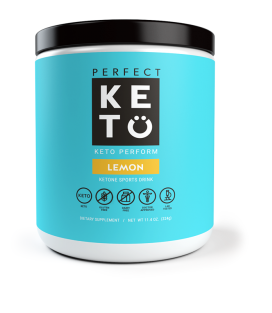
1) Perfect Keto Perform Keto Sports Drink
The Perfect Keto Perform Keto Sports Drink is one of the leading options for runners who need an alternative to glucose. Made with 7.7 grams of BHB salts, it represents a great solution and this is why it manages to deliver an impressive performance when it comes to energy sources.
The great part is that it still comes with the amino acids you need for energy. This includes L-Citrulline and Beta Alanine. Most importantly, it also represents a product with added healthy fats from MCT sources.
Pros

  • Recommended in the absence of carbs
  • Made with multiple energy sources
  • Contains MCT oil
  • Good amino acid profile

Cons

  • Works best with weight loss


**BE SURE TO USE THE CLE LEADER COUPON CODE (CL15) to save an additional 15%**

The best pre-workout for runners combines different types of energy sources to offer one of the best products when it comes to results. It has a complex formulation based on amino acids, fats and BHB salts which makes it unique in the pre-workout market. Furthermore, it is also important to know that you can see great results when it comes to maximizing your energy sources.

2)  ONNIT Total Strength + Performance
The ONNIT Total Strength + Performance is among the leading options when it comes to a good energy source. Runners can maximize its potential when it comes to the amino acid profile in combination with Magnesium, Calcium and Sodium.
It also represents a top solution when it comes to better results in terms of focus as well. It also works well to support recovery and runners will appreciate the Red Clover and Luteolin extracts.
Pros

  • Made with best-quality ingredients
  • Formulation for energy
  • Improves recovery

Cons

  • Not the most affordable pre-workout

**BE SURE TO USE THE CLE LEADER COUPON CODE (GETONNIT) to save an additional 10%**

The pre run supplement comes with a leading solution which is great for all types of runners. It can deliver great overall results which are recommended when you want to ensure that your recovery will also be on point. This is why it is important to know that you can find great results with ingredients such as Leucine, Valine, Beta Alanine and L-Glutamine. They offer more energy but they also work great when it comes to better overall results in terms of energy and muscle development.

3) Optimum Nutrition Amino Energy
As one of the most popular pre-workouts, the Optimum Nutrition Amino Energy is among the best solutions when it comes to muscle support. Runners can benefit from its great amino acid profile and it thus represents one of the best options when it comes to better long-term benefits as well.
It comes with Taurine and Arginine which means that if will boost your energy while also ensuring better circulatory performance. With caffeine from green tea and green coffee, it is a good solution for most runners who need extra energy.

Pros

  • Come with Taurine
  • Includes L-Arginine
  • Great for caffeine sources
  • Large flavor selection

Cons

  • Energy blend is not the most potent

The pre workout supplement for runners proves to be one of the great options when it comes to better energy. It combines various sources of energy from green coffee and green tea and with a base of amino acids as its name suggests, it comes to meet your needs when it comes to energy and muscle support. If you are looking to use it for a long period of time, you can also take advantage of one of the largest selections of flavors on the market. For this reason, it represents a complex product which has reached its maturity.

4) Rari Nutrition Infinity
The Rari Nutrition Infinity comes with a short list of ingredients which recommends it among the minimalistic products. It is also important to know that you can see great overall results based on the high concentration of caffeine, Tyrosine and Citrulline. With added B vitamins complex and niacin,
 it will also support improved overall focus which is great when it comes to intense training sessions.
Pros

  • Short list of ingredients
  • Proven ingredients
  • Based on caffeine
  • Added Folic Acid

Cons

  • Too strong for some runners

The pre-workout is among the leading options when it comes to good energy levels. It comes with a combination of some of the most important ingredients on the market. With extra caffeine, it can prove to be one of the solutions which are great when it comes to better overall energy, even if it may come with an energy crash towards the end of its effect. With some of the most popular amino acids, it also proves to be a good solution when it comes to long-term safety and usability.

5) Legion Athletics Pulse Pre-Workout
The Legion Athletics Pulse Pre-Workout comes with 4 grams of carbohydrates and an impressive 8 grams of L-Citrulline. This makes it one of the strongest formulations for runners and in many cases, it might even prove to be a highly concentrated product. With 4.8 grams of Beta Alanine, it represents a strong product which is great when you try to surpass your own fitness goals.
With a high concentration of caffeine as well, it can come with a longer effect when compared to many alternatives.
Pros
  • 8 grams of Citrulline
  • 4.8 grams of Beta Alanine
  • 4 grams of carbohydrates

Cons

  • Too strong for some runners

If you are looking for the ultimate experience, then the pre-workout proves to be a top formulation. It comes to meet your needs when it comes to better overall results with energy sources and it proves to combine the leading ingredients in its segment but in a very high concentration. With added carbohydrates, it can represent a solution for runners looking for the ultimate experience.
Runners have special needs when it comes to pre workout supplements. They are among the very few who need carbohydrates to fuel their high-intensity long-term training. This is why it might be important to know that you will get the ability to work with a solution which allows you great overall results both in terms of energy and in terms of fueling your body with the basic ingredients to keep it going at an optimum level. But most importantly, the Best Pre Workout For Runners needs to come with the energy boost you need to really improve your running results.

What Runners Need in a Pre-Workout Supplement?
Runners have truly special nutritional needs when it comes to daily routines or to official runs like marathons. Since this type of activity demands a larger number of calories you’ll get to see some impressive products with added carbohydrates. These carbs can come from various sources and you can see them in the forms, but you can also see solutions with added fats and added minerals as well. Since you can find different solutions to work with, it is also important to know that you can find many great results when it comes to better hydration and muscle support in form of minerals,

Carbohydrates and Fats in Pre Workouts for Runners
Runners can now choose supplements which are made with carbohydrates or fats. These types of products are great when it comes to added energy sources and they are also easily absorbed by the body. There are a few healthy fats which can also act as energy sources in the right food combinations and this makes them even more appealing to runners. Since there are many great choices to work with, it is also important to know that you can find great results when it comes to better pre workout powder supplements which can last longer and which are most suited to the needs of the runners.

Minerals
There are many pre-workouts which come with minerals and there is a good reason behind this decision. They support muscle function and for runners, they offer the much-needed support for longer training sessions or even for more intense running sessions.
The good news is that they can act to balance the sodium you lose through sweat. At a professional level, you will even see athletes consuming these pre-workouts together with fruits such as bananas to increase potassium intake. It is always worth considering the supplements which allow you to stay safe while training and minerals are among the few additions for this purpose.

Vitamins
In the taxing conditions in which a runner trains, vitamins play an important role. Even if they are not as fast-acting as the other ingredients, they will still build-up in the body and they offer the best solution when it comes to a boosted immunity which can suffer after intense and constant physical activity. This is why it is worth considering the options which at least come with the vitamins for brain function as you will need good focus ability for the duration of your training.

Amino Acids
Amino acids are the foundation to a pre-workout for runners. They are responsible for the added energy as is the case with Citrulline but they can also be responsible with muscle preservation properties as is the case with L-Glutamine. In the end, the decision will be up to you and you will have to find the right formulation in terms of energy output for you.
There are other sources of energy as well. They can come from Taurine or they can even come from Beta Alanine. But their quantities will also largely dictate their overall results. This is why it is important to know that you can find great solutions when it comes to better energy even within the amino acids themselves.
Some amino acids might not be very recommended for runners. Such is the case of L-Carnitine. Since its primary role is to boost fat loss, it is not a solution for runners as they already experience a higher metabolism which burns calories quicker. Even more, running involves the cardiovascular system more than other activities and this is why you might not want to see it as a solution for better muscle retention which is still essential for runners.

Caffeine
Caffeine can also be present in pre-workout for runners, but it will be up to you to decide if you want to use it before your running session. This is why it can be important to know that you can work with solutions which allow you a good overall result in terms of energy even without caffeine. But in some cases, it can definitely come as a major plus.

BHB Ketones
One of the ingredients which are used as an energy source in the absence of glucose and carbohydrates comes with BHB ketones. They are often use on the Ketogenic diet but the runners who are not looking to consume carbohydrates will have to gather energy from other places and BHB ketones can be a good solution for this reason. This is why it is important to know that you can see great results when it comes to energy levels even when you are not having the same glucose levels you might be used to and if you are preparing for a race, it might even be the case that you are trying to reach a certain weight. If you eliminate carbohydrate sources, you can thus fully benefit when it comes to better runs with more energy.

Top 5 Pre Workout Supplements for Runners

  1.  Perfect Keto Perform - TOP PICK
  2. ONNIT Total Strength + Performance
  3.  Optimum Nutrition Amino Energy
  4. RARI Nutrition Infinity
  5. Legion Athletics Pulse

Tuesday, 27 March 2018

Congratulations on taking a forward step to get in shape and feel great. Many people are guilty of wishing they could get a sculpted body from eating junk food and watching TV all day. But that is just not going to happen. Even though getting in shape sounds like a long, time-wasting process, the effort put towards being in shape has many positive effects. If you want to start your journey to having a better body to feel great, here are some tips:

1. Exercise Daily
Exercise daily for at least an hour. You do not have to kill yourself from running, jogging, etc., but you should have some sort of moderate physical activity in your everyday life. If you're looking to shed a few pounds fast, do a higher-level intensity workout. For example, go on a walk at a brisk pace for an hour. Or, you can jog and set certain intervals to sprint during that hour. Make sure you're not in severe pain during your workout. Just a warning, your muscles will ache after a high intensity workout. It may be irritating, but that means your body is changing for the better. Be sure to stay hydrated, stretch, and eat foods with a decent amount of protein after each workout. The protein will help keep your muscles, not fat, rebuilding.

2. Eat the Right Foods and Portion Each Meal
No matter how bad your stomach is telling you to go for candy over healthy food, try to stay away from sweets. Sugar from candy will not help you get in shape. Even if it's just a single candy bar, one will eventually lead to another. Fruits and vegetables are the best thing to eat when getting into shape. Apples, for example, do a good job at making the stomach feel full for up to 3 to 4 hours. Green vegetables such as green beans and broccoli keep the digestive system clean and running.

Also, stick to lean meats like turkey and chicken. Seafood, such as, shrimp, and tilapia are also great alternatives. These foods are full of protein and healthy nutrients to help keep muscles fit and ready for workouts. In addition, be sure to portion what you eat. Having a good metabolism comes from portioning meals. Try to plan out eating six times a day and setting smaller portions, rather than having three large meals throughout the day. This will also help you find yourself breathing smoother when working out rather than huffing and puffing for air. This is because you will have less food in your digestive system, which means more energy is used toward your exercise.

3. Keep Track of Calories and Food Intake Per Day
Keeping track of how many calories you eat in a day will be helpful in planning out your physical exercising. Ever wonder why body builders' body masses are so big? That's because they plan out their meals and take in more (healthy) calories than the average person. On the other hand, losing weight and striving for a skinnier physique will involve more physical exercise than calories you ingest.

4. Be Sure to Get Sleep
Even though most of us have eight-hour jobs during the day or night, it is crucial to get enough sleep to recharge the body's batteries. Six to eight hours of sleep will keep the body going throughout the day, but if you happen to feel tired at any point after coming home from work, by all means take a small nap before exercising. You should only nap for about a half hour. This will prevent you from staying up later in the night.

5. Stay Motivated
An important key to being in shape is to set goals and keep a positive mindset. If you stay positive, you will be able to push yourself to get that fit body you've always wanted.
Erie Cross Training Examiner Kyle Melerski, a music technology student at Capital University, is on the rise by using his creative writing skills to inform and entertain people.

Sunday, 25 March 2018

I always encourage my friends, family, clients and patients to drink green tea. Why? Because the advantages and health benefits are numerous. Green tea is what I call ‘one of nature's gifts’, because it has so many positives and almost zero negatives. Green tea is a truly benign substance. Let me bullet point some of the major benefits of green tea:


  • Green Tea Can Kill Bacteria, Which Improves Dental Health and Lowers Your Risk of Infection

The catechins in green tea also have other biological effects.
Some studies show that they can kill bacteria and inhibit viruses like the influenza virus, potentially lowering your risk of infections.
Streptococcus mutans is the primary harmful bacteria in the mouth. It causes plaque formation and is a leading contributor to cavities and tooth decay.
Studies show that the catechins in green tea can inhibit the growth of Streptococcus mutans. Green tea consumption is associated with improved dental health and a lower risk of caries.
Multiple studies also show that green tea can reduce bad breath.

  • Green Tea May Lower Your Risk of Type 2 Diabetes

Type 2 diabetes is a disease that has reached epidemic proportions in the past few decades and now afflicts about 400 million people worldwide.
This disease involves having elevated blood sugar levels in the context of insulin resistance or an inability to produce insulin.
Studies show that green tea can improve insulin sensitivity and reduce blood sugar levels.
One study in Japanese individuals found that those who drank the most green tea had a 42% lower risk of developing type 2 diabetes.
According to a review of 7 studies with a total of 286,701 individuals, green tea drinkers had an 18% lower risk of becoming diabetic.

  • Green Tea May Reduce Your Risk of Cardiovascular Disease

Cardiovascular diseases, including heart disease and stroke, are the biggest causes of death in the world.
Studies show that green tea can improve some of the main risk factors for these diseases.
This includes total cholesterol, LDL cholesterol and triglycerides.
Green tea also dramatically increases the antioxidant capacity of the blood, which protects the LDL particles from oxidation, which is one part of the pathway towards heart disease.
Given the beneficial effects on risk factors, it is not surprising to see that green tea drinkers have up to a 31% lower risk of cardiovascular disease.

  • Green Tea Can Help You Lose Weight and Lower Your Risk of Obesity

Given that green tea can boost the metabolic rate in the short term, it makes sense that it could help you lose weight.
Several studies show that green tea leads to decreases in body fat, especially in the abdominal area .
One of these studies was a 12-week randomized controlled trial in 240 men and women. In this study, the green tea group had significant decreases in body fat percentage, body weight, waist circumference and belly fat.
However, some studies don't show a statistically significant increases in weight loss with green tea, so this needs to be taken with a grain of salt.

  • Green Tea May Help You Live Longer

Of course, we all have to die eventually. That is inevitable.
However, given that green tea drinkers are at a lower risk of cardiovascular disease and cancer, it makes sense that it could help you live longer.
In a study of 40,530 Japanese adults, those who drank the most green tea (5 or more cups per day) were significantly less likely to die during an 11 year period.
Death of all causes: 23% lower in women, 12% lower in men.
Death from heart disease: 31% lower in women, 22% lower in men.
Death from stroke: 42% lower in women, 35% lower in men.
Another study in 14,001 elderly Japanese individuals aged found that those who drank the most green tea were 76% less likely to die during the 6 year study period

Related Post: Benefit Of Green Tea
Most cases of the flu are mild enough that you can treat yourself at home without prescription medications.
It’s important you stay home and avoid contact with other people when you first notice flu symptoms.
You should also:
Drink plenty of fluids. This includes water, soup, and low-sugar flavored drinks.
Treat symptoms such as headache and fever with OTC medications.
Wash your hands to prevent spreading the virus to other surfaces or to other people in your house.
Cover your coughs and sneezes with tissues. Immediately dispose of those tissues.
If symptoms become worse, call your doctor. They may prescribe an antiviral medication. The sooner you take this medicine, the more effective it is. You should start treatment within 48 hours from when your symptoms start.
Contact your doctor as soon as symptoms appear if you’re at high risk for flu-related complications. These high-risk groups include:

  • people with weakened immune systems
  • women who are pregnant
  • people over age 65
  • children under age 5

Your doctor may test for the flu virus right away. They may also prescribe an antiviral medication to prevent complications.

The flu vaccine
While not exactly a treatment, a yearly flu shot is highly effective in helping people avoid the flu. The CDC recommends that everyone 6 months of age and older get a yearly flu shot.
The best time to be vaccinated is in October or November. This gives your body time to develop antibodies to the flu virus by peak flu season. In the United States, peak flu season is between December and February.
The flu vaccine is not for everyone. Consult your doctor when deciding whether or not members of your family should receive this vaccination.
Here are some of the common symptoms of the flu.

Fever
The flu almost always causes an increase in your body temperature. This is also known as a fever. Most flu-related fevers range from a low-grade fever around 100°F (37.8°C) to as high as 104°F (40°C).
Although alarming, it’s not uncommon for young children to have higher fevers than adults. If you suspect your child has the flu, see your doctor.
You may feel “feverish” when you have an elevated temperature. Symptoms include chills, sweats, or being cold despite your body’s high temperature. Most fevers last for less than one week, usually around three to four days.

Cough
A dry, persistent cough is common with the flu. The cough may worsen, becoming uncomfortable and painful. You may also experience shortness of breath or chest discomfort during this time. Many flu-related coughs can last for about two weeks.

Muscle aches
These flu-related muscle pains are most common in your neck, back, arms, and legs. They can often be severe, making it difficult to move even when trying to perform basic tasks.

Headache
Your first symptom of the flu may be a severe headache. Sometimes eye symptoms, including light and sound sensitivity, go along with your headache.

Fatigue
Feeling tired is a not-so-obvious symptom of the flu. Feeling generally unwell can be a sign of many conditions. These feelings of tiredness and fatigue may come on fast and be difficult to overcome.

Saturday, 24 March 2018

Diets aren’t the way to go when it comes to losing weight. That’s because they create temporary eating patterns — and, therefore, temporary results. Most dieters gain back any lost weight when they go back to their old eating habits.
So what’s the best way to drop excess weight? Create a new normal!
Weight loss is most likely to be successful when people change their habits, replacing old, unhealthy ones with new, healthy behaviors. Here are 5 ways to make that happen:

Exercise. Regular physical activity burns calories and builds muscle — both of which help you look and feel good and keep weight off. Walking the family dog, cycling to school, and doing other things that increase your daily level of activity can all make a difference. If you want to burn more calories, increase the intensity of your workout and add some strength exercises to build muscle. The more muscle you have, the more calories you burn, even when you aren’t exercising.
Reduce screen time. One reason people get less exercise these days is because of an increase in “screen time” — the amount of time spent watching TV, looking at the computer, using mobile devices, or playing video games. Limit recreational screen time to less than 2 hours per day. If you’re with friends at the mall, you’re getting more exercise than if you’re texting them from your room.
Watch out for portion distortion. Portion sizes are bigger than they used to be, and these extra calories contribute to obesity. Another key factor in weight gain is that more people drink sugary beverages, such as sodas, juice drinks, and sports drinks. So choose smaller portions (or share restaurant portions) and go for water or low-fat milk instead of soda.
Eat 5 servings of fruits and veggies a day. Fruits and veggies are about more than just vitamins and minerals. They’re also packed with fiber, which means they fill you up. And when you fill up on fruits and veggies, you’re less likely to overeat.
Don’t skip breakfast. Breakfast kick-starts your metabolism, burning calories from the get-go and giving you energy to do more during the day. People who skip breakfast often feel so hungry that they eat more later on. So they get more calories than they would have if they ate breakfast. In fact, people who skip breakfast tend to have higher BMIs than people who eat breakfast.
My patients are among my best teachers. They've taught me how to communicate clearly—and how to live a better life. On The Dr. Oz Show, I've seen that once people are emotionally involved, change happens quickly, especially if they feel that their behavior is letting loved ones down. Large-scale change seems daunting. We want simple routines that we can automatically follow. Adopt some of the steps here, which anyone can do, and you will like your life more in just a couple of weeks. And you'll live longer. Try them—they work for me.


ROTF, LMAO
Laughing not only eases stress, promotes social bonding, and lowers blood pressure, it may also boost your immune system. So bring some humor into your life, whether it's through friends or even a new TV show (preferably mine).

  • Women's Health Tip

Besides laughing, certain foods have been proven to soothe stress and can counteract the damage that chronic pressure does to your bod. Stock up on these eats and beat down stress for good.

Don't Skip Breakfast
Fiber in the morning means less hunger late in the afternoon, when you're most likely to feel tired and gorge yourself on sugar. My morning dose comes from steel-cut oatmeal, usually mixed with raisins, walnuts, and flaxseed oil. An early start on eating also keeps your metabolism more active throughout the day; breakfast eaters are thinner than people who just rush out the door.

  • Women's Health Tip

Need a new recipe? Try one of these eight healthy oatmeal mix ins for an instant breakfast upgrade.

Hit the Sack
Conan and Dave are funny, but they're not worth the strain on your system. Seven hours of sleep a night not only helps you live longer, but also lowers your stress, sharpens your memory, and reduces cravings for pants-splitting foods. Set a bedtime and stick to it. My target is 10:30 p.m. I record the late shows and then watch them the next day as I pedal a stationary bike.

  • Women's Health Tip

Are you sabotaging your sleep? Test your bedtime knowledge with our quiz to see if you're actually getting the z's you need.

Admire Your Work
Don't be so trigger-happy with the flusher. Turn around and take a look at your poop, which speaks volumes about your gut and overall health. Poop should be smooth and S-shaped, like your colon. If it comes out too lumpy, or drops into the bowl like marbles, you're constipated. Increase your fiber and water intake. This happens to me when I travel, so I fiber-load before a trip to avoid getting irritable.

  • Women's Health Tip

You don't need Metamucil—here are 30 great-tasting ways to add fiber to your diet.

Don't Pamper Your Bad Back
Even if you're hunched over in agony, taking to your bed will only make a bad back worse. The latest research shows that bed rest weakens back muscles and prolongs the suffering. Married men may suffer more than single men because of all the pampering. I used to love milking the care from Lisa, but the best solution is to get up, take a pain reliever, and be a soldier.

  • Women's Health Tip

Try these safe and simple yoga moves to prevent and relieve back pain.

Taste the Colors
Foods with bright, rich colors are more than just nice to look at. They're also packed with flavonoids and carotenoids, powerful compounds that bind the damaging free radicals in your body, lowering inflammation. (Sadly, skittles do not count.) Eat nine fistfuls of colorful fruits and vegetables each day and you'll reap the benefits without having to give up other foods. Whenever I shop the produce aisle, I'm reminded that these foods are often more powerful than the drugs sold in pharmacies. My favorites are arugula and blueberries.

  • Women's Health Tip

Want to experiment with more exotic veggies? If you're tired of the same-old produce picks, switch 'em out for these delish and super-healthy alternatives.

Brushing is Not Enough
If you plan to spend your later years eating more than yogurt and applesauce, invest in some floss. No matter how thoroughly or long you brush your teeth, you're missing a good portion of their total surface. That's like washing one armpit after a workout. But the dangers of skipping floss go beyond hygiene: The bacteria that linger can increase your risk of heart disease. I use Reach Ultraclean floss, which stretches to glide between teeth.

  • Women's Health Tip

For a brighter smile, check out these 15 ways to whiten your teeth.

Take a Deep Belly Breath
Do this anywhere, anytime. Push out your bellows and suck air through your nose until your lungs are full. They'll fill with nitric oxide, a chemical found in the back of your nose that opens up blood vessels. The dose of oxygen will make you feel happier and more alert. This is my secret technique for calming down before a show or a tough stitch in the OR.

  • Women's Health Tip

Learn even more ways to iincorporate breathing as a healing and preventative tool with these techniques.

Join a Yoga Class
Yoga is the most important exercise of my daily routine. Being surrounded by beautiful women in spandex should be reason enough for you to join a class, but if you need more motivation, consider this: Yoga eases stress, lowers blood pressure, slows heart rates, and increases flexibility. And there's nothing mystical about it. Loosening your muscles will make them more adaptable, so you may be less likely to injure yourself playing sports. Sure, some of the poses may look ridiculous, but that's for a reason you'll learn quickly enough. Yoga can reach and work muscles that are ignored during routine sports and daily life. My favorite maneuver is the sun salutation.

  • Women's Health Tip

Learn that pose and many others in this list of the best yoga poses for women.

Don't Be an Island
Ever wonder why women live longer than men do? One major reason: You form tight networks and actually talk about your problems. If you face life's stresses alone, you will make yourself older. Bankruptcy, for example, causes enough stress to wreak havoc on your body. With another person's love and support, that inner aging can be reduced. Don’t forget to reach out to your friends when you need them.

  • Women's Health Tip

Don't forget your guy friends! See why there are specific boons that only male friendships can bring to your life.

Avoid Fad Diets
The secret to weight loss is not to avoid carbs, fats, yellow foods, solid foods, or foods that start with the letter G. The real trick is to lower your daily intake by about 100 calories. You'll hardly notice, but it'll add up to a loss of about 10 pounds in a year. Calorie restriction has been shown to lengthen life (in rats and monkeys). I cut back once a year to reset my appetite and taste buds. Healthy food tastes great afterward. Frankly, any food would.

  • Women's Health Tip

Lose weight by eating all the foods you by following the secrets in Eat This, Not That! Supermarket Survival Guide.

Be a Smart Patient
Your doctor can help keep you in good health, but the responsibility ultimately falls on you. Seek a second opinion before undergoing any procedure, because 30 percent of the time, that opinion will change the diagnosis or plan. Keep a written medical history, and educate yourself about any family problems, even if that means calling your creepy uncle. You might even consider signing onto Microsoft HealthVault or Google Health, so your files are accessible in case you find yourself in trouble away from home.

  • Women's Health Tip

Read our cheat sheet — put together with top emergency physicians and medical experts — to learn more about some common health crises and the best ways to handle an emergency room visit.

Lose the Belly
Grab a tape measure and put it around your body at the level of your belly button. That number should be less than half your height. So for my 6'1" frame, I need to keep my waist under 36.5". Just think—you’ll be avoiding heart attacks and diabetes as well as looking hot in your bikini. That’s a win win win.

  • Women's Health Tip

Learn the cutting-edge, 4-week plan to a leaner, stronger, leaner body in The Big Book of Exercises.

Go Green
I drink green tea three times a day. It's packed with heart-boosting and cancer-stopping polyphenols that black tea doesn't offer. (These beneficial chemicals are lost when it's fermented.) Green tea also delivers a boost of alertness, but from a smaller dose of caffeine than black tea. Green tea can even fight dandruff, although only if you pour it directly onto your scalp. (It's probably a good idea to let it cool down first.)

  • Women's Health Tip

Any time you're thirsty, tea is a great choice—but you don’t have to steep it to reap the rewards. Check out how to incorporate other varieties of the green stuff to your everyday dishes.

Sweat Till You're Wet
If you can work up a sweat for just 1 hour a week, you'll enjoy a range of benefits: reduced risk of heart attack, better mood, and lower blood pressure. I like interval training on the elliptical, with 15 pullups and 15 dips every 10 minutes. Your muscles will become more efficient, so you'll have more stamina for more enjoyable activities that also work up a sweat.

  • Women's Health Tip

Try our free downloadable training guides to lengthen, strengthen, and tone.

Put It in the Bank
Most people rank personal finance as their number one stressor, usually because they feel powerless. Stress not only shortens lives, it also drives people to habits like smoking, drinking, or bingeing on food. Keep some money in a special bank account, safe from your lust for a new television, and you'll establish an emotional comfort zone with major health benefits.

  • Women's Health Tip

How can you do that considering the economy? Throw out the old rules and learn the right way to negotiate a raise, or haggle for a discount.

Have as Much Sex as Possible
If a 50-something woman could have sex 700 times a year, the exercise and stress reduction would make her look and feel years younger. I wouldn't recommend quitting your day job in order to hit that number—but what's the harm in trying? The next time you don’t feel particularly in the mood, remind yourself that not having sex is literally killing you. It works for me.

  • Women's Health Tip

Not that you need to be convinced, but we put together 17 more reasons hitting the sheets can help your health. Check ‘em out.

Know Your Numbers, Then Aim Lower
Take the part of your brain dedicated to your nail salon’s phone number and reassign it to your heart's vital signs. These include blood pressure (which ideally should be below 115 over 75), LDL cholesterol (under 100), resting heart rate (under 70), and fasting blood sugar (under 100). If your numbers aren't ideal, change your diet until they improve.


  • Women's Health Tip

Keep your body working properly with these 18 self-checks every woman should do.

Add Some Weights
Just 30 minutes twice a week spent lifting weights can build significant muscle mass. What's more, working all that muscle burns tons of calories, making it a great way to lose your gut, too. Don't have weights? Try lifting yourself: Pullups are the most valuable muscle-building exercises I do. Oprah's trainer, Bob Greene, pointed out to me that pullups work the back, pecs, arms, and belly all at once. And since you're lifting yourself, you'll think twice before eating that doughnut, because you'll just have to lift it later.

  • Women's Health Tip

Can’t do a pull-up? Try our plan for tackling the most difficult workout moves (like pull ups, push ups, and yoga headstands)!

Grab Some Nuts
Nuts are among the best sources of healthful fats and protein around. I keep a bag of walnuts in my fridge and use their massive dose of omega-3 fatty acids to boost my brainpower while I see patients. Half of a handful eaten about 30 minutes before a meal will temper your appetite and help you avoid the drive-thru.

  • Women's Health Tip

Find other good-for-you snacks in our list of 125 best packaged foods.

Hit the Dance Floor
Crosswords and card games aren't the only way to keep your brain razor sharp. It turns out that any kind of dancing with complex moves is stimulating enough to give your neurons a workout. Even the simplest moves provide some physical exercise. So don't be such a wallflower on your next night out.

  • Women's Health Tip

Boost your memory, amp creativity, and fine-tune focus with these fun brain games.

Learn to Cook
Think you know how much butter goes into those mashed potatoes at a restaurant? You're probably off by half. If you can cook, you not only save money but also gain control over what goes into your meals. Plus, cooking is sexy. I have trouble boiling water. Thankfully, I'm already married.

  • Women's Health Tip

Turn on the man in your life with these guy-approved romantic meals.

Some Pills Should Be Popped
The indoor life gives us protection from the elements and the ability to watch Gossip Girl in private. Unfortunately, roughly half of us are deficient in vitamin D which the sun is a major source. This crucial vitamin may aid in fighting cancer, diabetes, and heart disease. I take a 1,000 IU supplement each morning.

  • Women's Health Tip

Consult this vitamin guide to figure out which other supplements you should take for your health and fitness.
Women's health concerns are a little different from those of men. If you're a woman, these tips will soon have you feeling fit and energetic
To look and feel your best at every age, it’s important to make smart lifestyle and health choices. Here are six simple things that women can do every day (or with regularity) to ensure good health:


Health Tip #1: Eat a healthy diet. “You want to eat as close to a natural foods diet as you can,” says Donald Novey, MD, an integrative medicine physician with the Advocate Medical Group in Park Ridge, Ill. That means a variety of fresh fruits and vegetables and fewer processed foods. Eat whole grains and high-fiber foods and choose leaner cuts of meat, fish, and poultry. Include low-fat dairy products in your diet as well — depending on your age, you need between 800 and 1,500 milligrams of calcium daily to help avoid osteoporosis, Dr. Novey says. Avoid foods and beverages that are high in calories, sugar, salt, and fat.
Healthy eating will help you maintain a proper weight for your height, which is important because being overweight can lead to a number of illnesses. Looking for a healthy snack? Try some raw vegetables, such as celery, carrots, broccoli, cucumbers, or zucchini with dip made from low-fat yogurt.If you’re not getting enough vitamins and nutrients in your diet, you might want to take a multivitamin and a calcium supplement to make sure you’re maintaining good health.

Health Tip #2: Exercise. Heart disease is the leading cause of death among women in America, but plenty of exercise can help keep your heart healthy. You want to exercise at least 30 minutes a day, five days a week, if not every day. Aerobic exercises (walking, swimming, jogging, bicycling, dancing) are good for women’s health in general and especially for your heart, says Sabrena Merrill, MS, of Lawrence, Kan., a certified personal trainer and group fitness instructor and a spokeswoman for the American Council on Exercise.

Health Tip #3: Avoid risky habits. Stay away from cigarettes and people who smoke. Don’t use drugs. If you drink alcohol, do so in moderation. Most women’s health studies show that women can safely consume one drink a day. A drink is considered to be about 12 to 14 grams of alcohol, which is equal to 12 ounces of beer (4.5 percent alcohol); 5 ounces of wine (12.9 percent alcohol); or 1.5 ounces of spirits (hard liquor such as gin or whiskey, 80-proof).

Health Tip #4: Manage stress. No matter what stage of her life — daughter, mother, grandmother — a woman often wears many hats and deals with a lot of pressure and stress. “Take a few minutes every day just to relax and get your perspective back again,” Novey says. “It doesn’t take long, and mental health is important to your physical well-being.” You also can manage stress with exercise, relaxation techniques, or meditation.

Health Tip #5: Sun safely. Excessive exposure to the sun’s harmful rays can cause skin cancer, which can be deadly. To protect against skin cancer, wear sunscreen with a sun protection factor (SPF) of at least 15 if you are going to be outdoors for more than a few minutes. Even if you wear sunscreen faithfully, you should check regularly for signs of skin cancer. Warning signs include any changes in the size, shape, color, or feel of birthmarks, moles, or freckles, or new, enlarging, pigmented, or red skin areas. If you spot any changes or you find you have sores that are not healing, consult your doctor.

Health Tip #6: Check for breast cancer. The American Cancer Society no longer recommends monthly breast self-exams for women. However, it still suggests them as “an option” for women, starting in their 20s. You should be on the lookout for any changes in your breasts and report any concerns to your doctor. All women 40 and older should get a yearly mammogram as a mammogram is the most effective way of detecting cancer in its earliest stages, when it is most treatable.

A woman’s health needs change as she ages, but the basics of women’s health remain the same. If you follow these six simple healthy living tips, you will improve your quality of life for years to come.


GREEN BANANA CHOCOLATE SHAKE
Miss your favorite fast food shake? This blend tastes just like it, but minus all of the junk, Lax says. This recipe is perfect for a sweet fix without the sweets, and the absorbable protein will help build lean muscles which can rev your metabolism, helping you lose more weight over time, she adds. Why the green banana? It's a great source of resistant starch, another nutrient shown to help with weight loss.

Recipe: Blend 1/2 cup milk of choice, 1/2 green banana, 1 scoop chocolate protein powder, 1 tablespoon almond butter, and 2 teaspoons cinnamon.
Nutrition facts: 330 calories, 31g carbohydrates, 26g protein, 13g fat


GREEN WARRIOR SHAKE
Creamy Greek yogurt provides satiating protein, ginger, and pomegranate juice to fight inflammation (a common cause of weight gain). And pistachios are the perfect secret ingredient since they contain a satisfying trio of fiber, plant protein, and healthy fats, explain Shames and Lakatos. "You'll feel full so you won't end up overeating at the vending machine soon after," they add.

Recipe: Blend 3/4 cup non-fat Greek yogurt, 1/4 cup pomegranate juice, 1/2 cup green grapes, 1 cup pineapple pieces, 1 cup packed spinach, 1 inch fresh peeled ginger, 1/8 cup shelled pistachios, and ice.
Nutrition facts: 170 calories, 22g carbohydrates, 13g protein, 5g fat

JAVA BUZZ SHAKE
Sometimes all you need to power through the high-stress/low-willpower hours just before dinner is a little jolt of caffeine. This smoothie, from David Zinczenko, nutrition expert and creator of Eat This, Not That!, will give you a little buzz while also providing a healthy dose of filling protein to help you stay strong through dinner.

Recipe: Blend 4 coffee ice cubes (freeze your favorite coffee in an ice cube tray), 1 can unsweetened coconut milk, 1⁄4 cup unsweetened almond milk, 1⁄2 frozen banana, and 1 scoop chocolate plant-based protein powder.
Nutrition facts: 208 calories, 17g carbohydrates, 24g protein, 5g fat

MANGO MATCHA SHAKE
This shake is packed with filling ingredients but the secret weapon is the matcha powder, says Maria Marlowe, certified nutrition and health coach and author of The Real Food Grocery Guide. It's full of an antioxidant, EGCG, which has been shown in some studies to aid in weight loss. "Anecdotally, my sister has been having this mango matcha smoothie bowl nearly every day for the past three weeks, as part of an overall healthy diet, and has dropped 11 pounds," she says. In addition, the hemp and avocado provides satiating fat while the fruits are full of flavor.

Recipe: Blend 1 cup butter lettuce (or other leafy green), 3 tablespoons hemp seeds, 1/2 cup coconut water, 1 frozen banana, 1/2 avocado, 1 cup mango, juice of 1 lime, 1 teaspoon matcha powder, and ice.
Nutrition facts: 386 calories, 47g carbohydrates, 13g protein, 18g fat 10

MEXICAN CHOCOLATE SHAKE
Take your plain chocolate shake next level by adding powerful spices. Not only do the cinnamon and chili add an exotic flavor but they also have some weight-loss benefits, helping to stabilize blood sugar and reduce cravings, Zinczenko says.

Recipe: Blend 1 cup unsweetened almond milk, 1/2 banana, 4 tablespoons unsweetened cocoa powder, 1 teaspoon chili powder, 1 teaspoon cinnamon, 1 teaspoon flaxseed oil, 1 scoop chocolate plant-based protein powder, and ice.
Nutrition facts: 296 calories, 39g carbohydrates, 30g protein, 11g fat

Friday, 23 March 2018

“Hey Steve, I want to start eating healthy, but I don’t like vegetables.  Can you help me eat healthier without having to eat vegetables?  Actually, I love corn, so can you tell me how to make more foods with corn?”

“Hey man, hate to break it to you…but corn is actually a grain.”

“Well shit.”
I’ve had some variation of this conversation with more people than I can count.  Many people like the IDEA of eating healthy, but eating vegetables feels like Superman eating a bowl full of Kryptonite (hey, they’re both green!).
Whether it’s the taste, texture, or just the mental block, veggies consistently prove to be a challenge for many Rebels.  Considering we recommend filling up at least half of your plate with vegetables, this is a serious problem.
I didn’t start eating vegetables regularly until I was probably 22….and even then it was a challenge. If you are like I was, fear not!
By the end of today, I’m going to have you excited to eat vegetables, and ready to take the NF Veggie Challenge.
If you’re someone who doesn’t eat vegetables because you don’t like them, don’t know how to buy them, or don’t know how to make them, this article is for you. We’re going to change that today.
Finding vegetables that you are excited to eat (and actually enjoy) is a cornerstone to having success on the diet we regularly recommend to our Rebels, the Paleo Diet. Enter your email in the box below and we’ll walk you through everything you need to know to get started.

Why vegetables rule!

You’ve probably been told since you were a toddler to “Eat your vegetables! They’re good for you.”
Do you really know WHY they’re good for you?  Let me jump into a few reasons why vegetables kick ass.


  • Vegetables are nutrient dense. It should be no surprise that Popeye turned to a vegetable when he needed a powerup. Think of vegetables as one of our body’s most efficient fuel sources: they are packed full of vital macro and micronutrients. Just take a look at our article on how to eat healthy on a budget – it should be no surprise that vegetables are an important part of efficiently eating healthy! Simply put: vegetables are the backbone of any solid diet.
  • They fill you up, without “filling you up.”  Ever seen what 200 calories worth of broccoli looks like? It’s the size of a grocery bag compared to 200 calories of a doughnut or other treats.  If you are feeling hungry but don’t want to overeat, choose a vegetable. Kind of hard to overeat when you’re eating carrots or celery!


  • Veggies keep your body operating at max efficiency! Vegetables are a great way to keep your…um…indoor plumbing…functioning properly.  Adding a vegetable or two to each meal is a great way to keep things working right! Seriously: if you’re someone who doesn’t eat many veggies, you will notice a considerable difference after adding veggies to your diet regularly.


  • They can be delicious!  Sure, a point of debate…but as a former veggie hater, I am now firmly on Team Vegetable.  A plate full of veggies used to make me want to gag, and now I’m thrilled at the idea of a plate covered in a cornucopia (what a great word, right?) of multicolored plants
“Ok,” you might be thinking, “I know they’re good for me, but I don’t eat them. Help me!”  Okay, okay fine.

Here’s how you can get over your vegetable-aversion and get started.
Find your gateway vegetable

When I was 22 I proudly proclaimed that I was a “carnivore” and boycotted veggies.  Essentially, I ate things like chicken, hamburgers, pizza, pasta, french fries, rice, and not much else.
One day, I decided “I’m an adult, I should probably eat like one.”  In my mind, all vegetables were disgusting, but the reality was that I hadn’t really tried many different kinds. Instead I tried a few and just assumed they were all bad.
So, for starters: stop saying you hate all vegetables.  Instead: you simply haven’t found a vegetable that you LIKE yet.
I started trying teeny tiny bits of vegetables.  If I went out to dinner with friends, I would ask to try some veggies off of their plate.  Once I got over the idea, I would order a new vegetable each visit and give it a shot.

I did this for two reasons:
  • I figured any vegetable, even if I didn’t like it, and even if I only ate a small bite, was better than nothing.
  • If I found a vegetable I DID like, I could learn to prepare it the same way and eat more at home.

On top of that, I simply forced myself to go into any new vegetable with an open mind and positive mindset.  It’s amazing what positive or negative expectations can do to convince ourselves.  So, instead of thinking “this is gross,” say “this is what I eat and it’s good.”  Sounds a bit hokey, but it works.
My gateway vegetable: asparagus. I bought some asparagus at the store, put them on a cookie sheet lined with tinfoil, covered them in olive oil, salt, pepper, and stuck them in the oven (at 375 degrees F) for 12 minutes.  BAM!  Crunchy, delicious, and nutritious. Plus, I felt like a 5 star chef!
For my first year as an omnivore, asparagus was the only vegetable I ate.  I didn’t branch out too much beyond this, but at least I had found one that I liked.  Once I had gotten over the mental barrier that “all vegetables are gross,” it was time for me to branch out.

Suck it up, take one bite of many different kinds of veggies, and see which ones you actually enjoy.
Before each bite, clear your mind, Neo.  Stop going into each veggie encounter expecting to hate it!  You never know when things change.
Many people think in order to eat a “Paleo Diet” you’ll need to eat dozens of veggies everyday, but almost everyone starts just like I did – with only one or two gateway vegetables and slowly branches out from there. Our free download on the Paleo Diet helps show you that it isn’t nearly as complicated as some people can make it out to be.
How to BUY Vegetables

First and foremost, buying vegetables can be daunting!
  • How can I tell if a vegetable is fresh or not?
  • How long can I leave the vegetable in my fridge before it goes bad?
  • Which ones do I get?
For starters, here are just some of the vegetables that are Nerd Fitness Approved.  The next time you go to a supermarket, your mission is to pick ONE of these vegetables, and bring it home with you.
  • bok choy
  • broccoli
  • collard greens
  • kale
  • romaine lettuce
  • spinach
  • artichokes
  • asparagus
  • beets
  • brussels sprouts
  • cabbage
  • cauliflower
  • celery
  • cucumbers
  • eggplant
  • green peppers
  • mushrooms
  • okra
  • onions
  • zucchini
  • acorn squash
  • butternut squash
  • carrots
  • red peppers
Notice: we’re not counting tubers (potatoes and sweet potatoes) or legumes on this list – technically they’re veggies, but for the purposes of this article we’re aiming for low calorie, nutrient dense options to start.
Use this wonderful guide on how to select fresh and tasty veggies at the grocery store.
Once you’ve bought your veggies, use StillTasty.com, to figure out how long you can leave them in my fridge.
If you really want to make it easy, buy a bag of “Steam Fresh” vegetables – most of these only require you throwing the bag into the microwave, opening it, and putting it on your plate.

Hide vegetables in other foods

Once I got my “gateway vegetable,” I stopped telling myself that I hated vegetables, and became more likely to try other vegetables.
However, I still didn’t love the taste of many veggies, which presented a problem.
The solution? “Mask” the taste and texture by hiding the vegetables in other foods until I became accustomed to the taste.
I started adding vegetables to everything in ways that didn’t make me taste veggies:
Green_Smoothie
  • I added frozen spinach or kale to my smoothies.  I make a post-workout smoothie with fruit and protein and realized that other than giving my drink a greenish tint, the taste was unchanged.  I continued adding more and more spinach each time until it changed the taste too much.  That’s one daily serving of a super veggie without even trying!
  • I added veggies to your omelets!  I’m not a breakfast person (Intermittent Fasting ftw!), but if you’re making omelets, try adding different vegetables to your omelets each time and see which ones don’t change the taste. Plus, who says you can only eat omelets for breakfast?  They make a great dinner meal too.
  •  Eat a small bite of a veggie with something you actually like.  When I started cooking chicken stir fry, I made sure that every bite of delicious grilled chicken was paired with part of a vegetable:
  1. a single broccoli crown and chicken.
  2. a chunk of grilled onions and chicken.
  3. rice, a wedge of zucchini, and steak.
  4. a slice of asparagus, and salmon.
  5. a wedge of sweet potato and peppers.
  6. steak, onions, and pineapple
Take something you enjoy eating, and add some vegetable on the same fork-load.
  • Wrap it in bacon.  Seriously.  Bacon makes everything better.   What’s that? You don’t like asparagus? Wrap them in bacon!
  • Try making carrot fries. These things taste like sweet potato fries, but they’re made of carrots. Cut some carrots into fry shapes, toss them in olive oil, put them on a baking sheet, sprinkle with salt and pepper and roast them in the oven at 450 degrees F (230 degrees C) for 10 minutes. Ta da!
  • Try zucchini “noodles” – (instructions below)
  • Hide some veggies in a casserole (like paleo shepherd’s pie) – when they’re mixed in with other stuff you like, it makes them easier to eat. If you aren’t a fan of big hunks of veggies in your bites of food, chop them up really small before cooking. This way they’re less noticeable!
  • Add greens like spinach, chard, or kale to your paleo spaghetti sauce. 
  • Add kale to guacamole.
  • Hide vegetables IN your burgers (here’s a turkey burger with spinach in it).
All of the above examples accomplish the same goal: getting more vegetables into your system.  This makes your stomach happy, your mother happy, and Popeye happy.


This column discusses some of the fundamentals of public health delivery, as seen from the grass roots. Here are 26 important elements in maternal and child health:

AAA: The three women (accredited social health activists, Anganwadi worker, auxiliary nurse midwife) driving health and nutrition in India’s villages. The problem is they don’t talk to each other.
Breastfeeding: Breast milk contains all vitamins and minerals that a baby needs. To be practised exclusively for a child’s first six months. True for only 54.9% of Indian children.
Community: Service recipients. Have all the answers, seldom asked. Change begins when community is aware, empowered and demands services.
District health society: Ultimate responsibility for managing health programmes in every district. Must ensure inter-sectoral convergence, which remains a constant implementation challenge.
Eligible couples: Married and non-sterilized couples where the wife’s age is between 15 and 49. Constitute 15-18% of the population in an average village.
Facilities: Think hospitals and clinics. India has a tiered system with sub-centres, primary health centres (PHCs), community health centres, district hospitals and so on. Great on paper, broken in practice.

Gestational age: Age of pregnancy from last menstrual period. Early registration for antenatal care (ANC) is key. Over 40% of Indian women do not receive ANC in the first trimester.
Haemoglobin: Protein containing iron responsible for transporting oxygen from the respiratory organs to the rest of the body. More than 50% of Indian women are anaemic as their haemoglobin is below the required level.
Infant mortality: Death of children below age 1. In India, this is 34 out of 1,000 live births.
Janani Suraksha Yojana: Launched in 2005 to get women to deliver in hospitals. Institutional births have increased from 38.7% in 2005-06 to 78.9% in 2015-16.
Kangaroo care: Keeping babies warm through skin-to-skin contact. Benefits the mother and especially the child, ensuring that the latter gains weight.

Low birth weight (LBW): When a child weighs less than 2.5kg at birth. Of children who die in their first 28 days (look at N), 48% were attributed to LBW and prematurity. Cricket fans, no DRS for this LBW.
Maternal death: Women’s death during pregnancy or first 42 days after delivery. Getting some key elements right—early and effective ANC, institutional delivery, ensuring facility preparedness and training of birth attendants—go a long way.
Neonatal mortality rate (NMR): Number of children (of 1,000 live births) who die in their first 28 days. India’s NMR is 28, i.e. 750,000 Indian neonates die annually. Key elements mentioned under “M” along with special care for LBW kids critical.

Obesity: Also a case of malnutrition. Rising rapidly in rural areas.
PHC: Health facility with a doctor that is closest to the village. Each PHC serves 20,000-30,000 people. PHCs typically conduct normal deliveries but not C-sections.
Question: What to do when one is in the community (in addition to listen and observe), and conventional wisdom is off the mark.
RMNCH+A: Reproductive, maternal, newborn, child and adolescent health. Approach used by government to ensure “continuum of care” across key life stages.
Stunting: Why 38.4% of Indians are too short for their age. Not just a poor family’s problem. Stunted children (beyond age 2) become shorter adults who produce and earn lesser than their peers.

Thousand days: Window from pregnancy till age 2 that offers the best opportunity to impact a child’s overall development. The problem—inadequate attention to mother and child at this stage sets the child back permanently.
Under-5 mortality: Instances of a child dying before turning five. That’s 50 out of 1,000 for India (National Family Health Survey IV: 2015-16). The tragedy is that many are preventable.
Village health and nutrition day: Organized every month at the village Anganwadi (pre-school) by the AAA to offer ANC, immunization, counselling and other services.

Wasting: In India, one of five children is wasted, i.e. weight is not proportionate to height.
X-ray: The issue is availability in rural India. Close to half of India’s community health centres have a shortage.
Y: Why must the kids die? Serious question for governments the world over.
Zinc: Important to administer (with oral rehydration salts) to children to reduce prevalence of diarrhoea. Diarrhoea is deadly serious, causing 525,000 child deaths each year.

Thursday, 22 March 2018

The CDC is urging the public to avoid eating certain brands of dried coconut because they are linked to a multi-state outbreak of Salmonella poisoning that has been ongoing since September 2017.
This outbreak is unrelated to the Salmonella outbreak linked to frozen shredded coconut announced in January

“CDC recommends people not eat recalled International Harvest Inc. brand Go Smile! Raw Coconut, Go Smiles Dried Coconut Raw or recalled Natural Grocers Coconut Smiles Organic,” according to an outbreak notice posted today by the Centers for Disease Control and Prevention.

Retailers and restaurants should not sell or serve recalled dried coconut products, the CDC said.

“Even if some of the recalled dried coconut was eaten or served and no one got sick, throw it away or return it to the place of purchase,” the CDC notice said, adding that sanitizing procedures should be implemented.“Put it in a sealed bag in the trash so that children, pets, and other animals can’t eat it. Wash and sanitize drawers or shelves in refrigerators and freezers where recalled coconut was stored.

“If you aren’t sure if your dried coconut was recalled, do not eat it and throw it away.”
Thirteen people from eight states are confirmed to be infected with the outbreak strain of Salmonella Typhimurium that has been found in the implicated brands of dried coconut. Three of the victims have required hospitalization because of severe symptoms. No deaths had been confirmed as of today.
Of the victims for whom complete information is available, 88 percent reported eating dried coconut purchased at grocery stores before they became sick. Of the seven people who reported eating dried coconut before becoming ill, four said they purchased the product at different Natural Grocers store locations.

However, illnesses that occurred after Jan. 25 might not yet be reported to the CDC because of the time it takes between when a person gets sick and when the illness is reported to local, state and, ultimately, federal public health officials. Please see the CDC’s “Timeline for Reporting Cases of Salmonella Infection” for more details.
Illnesses started on dates ranging from Sept. 22, 2017, to Feb. 26, 2018. Ill people range in age from 1 to 73, with a median age of 40. Sixty-seven percent are female.

FDA’s role in the investigation
The Food and Drug Administration has been working with state officials to pinpoint the source of the outbreak. They collected leftover dried coconut from ill people’s homes, as well as dried coconut from Natural Grocers store locations where people who got sick shopped and from the Natural Grocers’ Distribution Center.
FDA testing identified the outbreak strain of Salmonella Typhimurium in an unopened sample of Natural Grocers Coconut Smiles Organic collected from Natural Grocers.

The outbreak strain was also identified in an opened, leftover sample of Natural Grocers Coconut Smiles Organic collected from a sick person’s home.
In addition, FDA collected dried coconut from International Harvest Inc. The outbreak strain of Salmonella Typhimurium was identified in samples of International Harvest Brand Organic Go Smile! Dried Coconut Raw and Go Smiles Dried Coconut Raw.

A blood-filled pimple usually develops because a person has picked, squeezed, or popped a regular pimple.
Luckily, there are many ways to treat acne or other types of pimples and prevent them from turning into blood-filled pimples.
Up to 80 percent of 11- to 30-year-olds will experience pimples or acne at some stage.
In this article, learn more about the different types of pimples and the treatment options available.
Causes
Young man in front of mirror squeezing spot on chin causing a blood pimple.
Squeezing a pimple may cause it to fill with blood.
Blood-filled pimples occur after someone has squeezed or popped a pimple
Squeezing a pimple forces out a yellow liquid called pus. The trauma caused by the squeezing can also cause blood vessels underneath to burst, causing the pimple to fill with blood.
Regular pimples occur when the skin's pores become clogged with bacteria, sweat, or dirt. More severe acne can be due to hormonal changes in adolescents and adult women
Treatment
Most of the time, blood-filled pimples will heal on their own if they are left alone. If someone squeezes the pimple before it heals, they may spread bacteria to other parts of the face and body.
It is essential to keep the area around the pimple clean and wash twice daily, using a gentle cleanser or soap and water.
Blood-filled pimples that recur or persist may need to be treated with:
Over-the-counter treatments
There are many over-the-counter treatments for different types of pimples and acne, including blood-filled pimples:
Topical retinoids. These vitamin A-based medications reduce oil production in the skin and help prevent clogged pores. Stronger versions are available by prescription.
Salicylic acid. This ointment removes dead skin cells. It typically works best on acne without inflammation, such as blackheads and whiteheads.

Prescription medications

  • Antibiotics. Usually taken daily as a pill, antibiotics kill the bacteria that are causing outbreaks. People can apply topical antibiotic ointments and liquids directly to the skin.
  • Birth control pills. In women and teenagers, fluctuating hormone levels can contribute to acne development. Some women and girls may be prescribed birth control pills to regulate hormones and clear up their skin.
  • Isotretinoin. This is a prescription oral retinoid that people typically take for approximately 4 to 5 months. It effectively treats acne in many people, sometimes permanently. However, it can cause serious side effects and is usually only given to people with severe cystic acne.
Pimples and boils are troublesome skin problems that can sometimes cause similar symptoms.
Pores are tiny openings in the skin that allow oil to seep out and keep the skin soft. A pimple is a result of a pore becoming clogged.
A boil, or furuncle, is a pus-filled lump caused by bacterial infection. It can appear red and swollen.
While a person can treat both boils and pimples at home, boils can sometimes turn into a severe infection known as a carbuncle.
Learn more about the difference between boils and pimples in this article.
Causes
A pimple is often the result of excess oil production or a buildup of dead skin cells and bacteria. People may be more likely to develop pimples during puberty, when the body makes more hormones that can cause excessive production of oil.
Sometimes a bacteria type called Propionibacterium acnes can infiltrate the skin and cause further redness, pain, and irritation.
Pimples most commonly occur on the face, but can also appear on the back or neck. They have many forms, including blackheads, whiteheads, and papules. Some may be pus-filled, so they may closely resemble boils.
Staphylococcus aureus bacteria usually live on the surface of the skin, but can reach the inner layers via a cut, bug bite, or infected hair follicle. This infiltration can result in a boil.
Boils are most likely to appear on the sweatiest areas of the skin. These include the:

  • armpits
  • buttocks
  • face
  • neck
  • thighs

Boils start out as a small, round bump, which is usually swollen and red. Over several days, the bump will fill with pus. As the bump grows, pressure on the skin increases, eventually causing the boil to rupture and drain.

Diagnosis
A doctor can often diagnose a boil or a pimple with a visual examination. The doctor will ask about symptoms, when the person first noticed the bumps, and whether they have tried any treatments.
Additional symptoms, the location of the bumps, and the condition of the surrounding skin help a doctor to diagnose pimples or boils. Invasive testing is usually not required.

Treatments
Treatments for boils and pimples differ. Below, find some of the most common techniques.

Pimples
For most people, a thorough skincare routine can help to reduce the incidence of pimples. However, it can take 6 to 8 weeks for a pimple to completely heal.
A skincare routine for pimples should include:
washing the skin in the morning and evening with warm, not hot, water and a mild cleanser
using a product containing benzoyl peroxide or salicylic acid, to reduce oil and buildup of dead skin cells in the pores
applying a gentle moisturizer to reduce any dryness that may have resulted from acne treatment
exfoliating once or twice a week with a gentle scrub to prevent dead skin cells from collecting
avoiding squeezing or popping the pimple, as this can invite bacteria into the skin and lead to scarring
If pimples do not go away with home remedies, a person may wish to speak to a dermatologist, a doctor who specializes in managing skin conditions.

Boils


Applying a warm compress to a boil will help to reduce pain and may encourage the boil to drain. If the boil is in a hard-to-reach area, a person can try resting in a hot bath instead.
Over-the-counter pain relievers such as acetaminophen or ibuprofen can also reduce discomfort.
A doctor may prescribe an antibiotic ointment designed to fight the bacteria inside the boil. Or, they may prescribe oral antibiotics to prevent the infection from spreading to the blood stream.
In some cases, a doctor will surgically drain the boil and apply topical antibiotics to the area, to combat the infection.
A boil and the skin around it should be kept clean and dry. A person should wash their hands with soap and water after touching a boil, to avoid spreading the infection. Sharing personal care items, such as towels, razors, or makeup brushes can also pass the infection from person to person.